
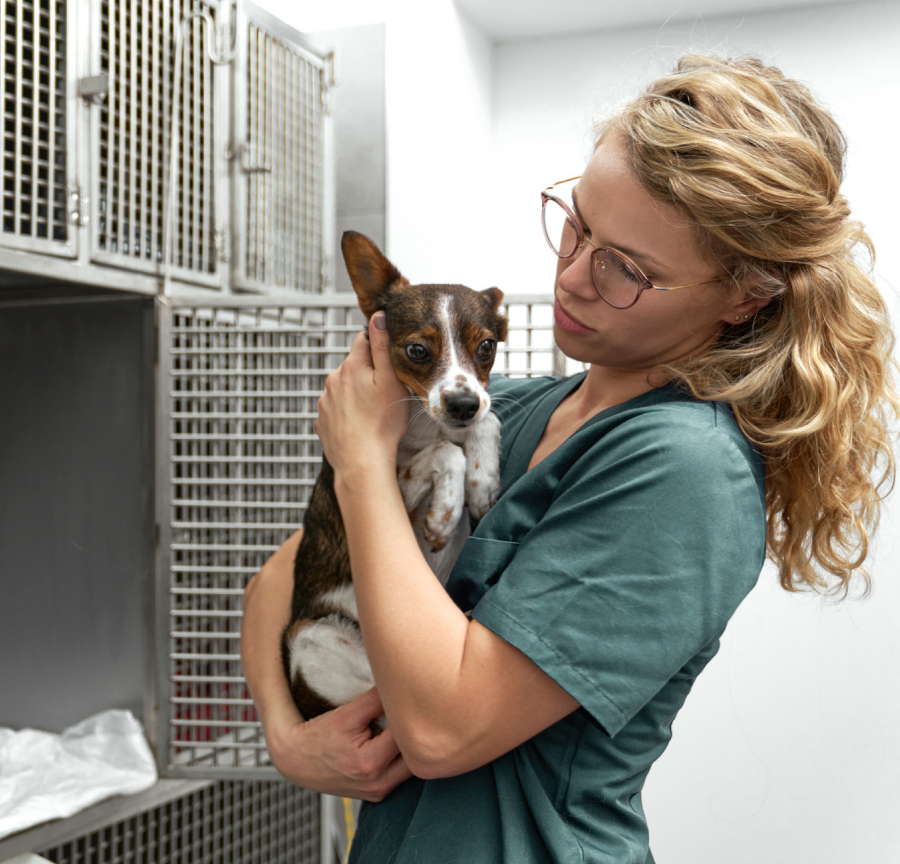

It’s bedtime when the first anxious text arrives:
“Is he okay?”
“Did she eat?”
“Was he crying after I left?”
The solution isn’t more random texts. It’s a repeatable communication system that helps pet parents understand what your team has already checked, what you’re keeping an eye on, and when they can expect the next update. Clients feel calmer when they know there’s a clear plan if something changes overnight.
Why anxious pet parents need clarity, not constant reassurance
Most owners aren’t asking for constant reassurance because they doubt every pet care professional in the building. They’re asking because overnight care feels different.
During a grooming appointment or daycare visit, the timeline is short. But with boarding, clients go home without their dog or cat. Dinner, medication, and bedtime all happen somewhere else. That makes the facility’s communication part of the care experience.
Research on client communication published in JAVMA suggests that pet parents feel more supported when care information is clear, specific, and collaborative. In the study, participants chose receiving options, a clear recommendation, cost clarity, and an explanation of how the recommended action supported the pet’s health. In more urgent situations, they also preferred hearing both normal findings and potential concerns.
That last part matters for boarding. “Everything is fine” is nice, but it often gives pet parents less to hold onto than a specific update.
A more reassuring message does not need to be long.
It just needs to give pet parents a few specific signals they can trust:
“Charlie ate some of his dinner, drank water, went potty after his evening walk, and is settling in for the night. He is still a little alert to hallway noise, so we are keeping him in a quieter area and will check on him again before lights out.”
That kind of update feels calm because it shows what your team has already checked and what they are still monitoring. But to send messages like this consistently, your Boarding Facility needs a system that works for every pet and is easy for the team to follow, even on a busy night.
Calmer overnight stays start before check-in
A pre-boarding intake flow should confirm the essentials:
- Vaccine records and health requirements
- Feeding schedule and food handling notes
- Medication instructions, including dose and timing
- Emergency contact and authorized pickup details
- Veterinary contact information
- Behavior notes around other pets, staff, food, crates, noise, and sleep
- Consent for escalation, transport, add-on care, or emergency veterinary support
This is where intake becomes part of care, not just admin. It gives pet care professionals the information they need to protect the pet’s health, document decisions, and send calmer, more specific updates to owners.
Pet parents should also understand what care includes before they start comparing prices. Overnight boarding isn’t just a kennel space. It includes intake, health screening, staff notes, observation, cleaning protocols, feeding, rest, enrichment, communication, and emergency readiness. Make that clear early, and don’t leave out the details.
Make the first-night update a standard workflow
The first night is often the emotional peak for pet parents. Their dog or cat may be completely fine. But the pet parent may be lying in bed, checking their phone over and over in case something goes wrong at the boarding facility. That’s why the first-night update shouldn’t be improvised by whichever staff member happens to have 90 seconds and a phone nearby.
Build it into your overnight boarding operations as a standard workflow.
A simple first-night update can include:
- Arrival and settling: How the pet handled drop-off and the first transition.
- Food and water: Whether they ate, drank, or skipped a meal.
- Bathroom notes: Especially for pets with stress-sensitive routines.
- Behavior: Calm, alert, vocal, shy, playful, tired, or watchful.
- Care plan: What the team is doing next.
- What you’re monitoring: Appetite, stool, sleep, cough, limping, medication response, or anxiety signs.
For example, your facility might send the first-night update after dinner, once the team has enough information to report something useful. The goal is to make one predictable update part of the closing routine.
Pet care professionals don’t need to write a novel. They need a repeatable structure.
Good software can help boarding facilities keep pet profiles, alerts, agreements, two-way messages, and report cards connected in one workflow, so late-night updates are based on documented care notes instead of memory, scattered text threads, or notebooks.
A first-night update template your team can reuse
The first-night update works best when it follows the same structure every time. That doesn’t mean every message should sound robotic.
It means your team knows what to check before they text, and pet parents get the information they’re actually waiting for. Structure is key because clients tend to feel calmer when they receive clear information, not vague reassurance.
For overnight boarding, the update can be simple:
Hi [Pet Parent Name], here’s [Pet Name]’s first-night update:
How they settled after drop-off:
[Pet Name] [settled quickly / needed a little extra time / stayed alert at first / relaxed after a short walk / preferred a quieter space].
Food and water:
[They ate all / some / none of dinner] and [drank water normally / had a few sips / we’re keeping an eye on water intake].
Bathroom notes:
[They went potty during the evening walk / haven’t gone yet / had normal stool / had soft stool / we’ll continue monitoring].
Medication, if applicable:
[Medication name] was given at [time] according to the instructions on file.
Mood or behavior:
[Pet Name] seemed [calm / shy / curious / vocal / playful / tired / watchful]. We noticed [specific observation].
What our team is monitoring:
Tonight we’re keeping an eye on [appetite / sleep / barking / stool / coughing / limping / anxiety signs / medication response].
When you’ll hear from us next:
We’ll send the next update [tomorrow morning / after breakfast / at the scheduled update time], unless anything changes before then.
The point isn’t to overwhelm pet parents with every small detail. It’s to show that your boarding facility has already checked the basics, knows what matters for that pet’s health, and has a plan for the overnight period.
This also helps the team. A repeatable template reduces guesswork, keeps updates consistent across shifts, and creates a clearer record of care. For pet care professionals managing several pets overnight, that kind of structure is part of good pet boarding management.
Turn welfare observations into reassuring updates
Research from Polgár, Blackwell, and Rooney supports what many boarding teams see every day: even a short boarding stay can be stressful for some pets when their routine, space, noise level, and social contact suddenly change.
That matters operationally. A pet parent doesn’t need a clinical lecture. They do need to know that your team understands the stress of the situation.
Instead of telling every anxious parent, “They’ll adjust,” offer real options when possible:
- A short trial stay before a longer trip.
- A facility tour before boarding.
- A daycare visit before the first overnight.
- Familiar bedding, when allowed by your policy.
- A quieter sleeping area for sensitive pets.
- Play or human interaction notes based on the pet’s temperament.
This is where pet care professionals can speak with both warmth and authority. You aren’t promising a pet will never feel stress. You’re showing how your team watches for it and responds.
Use observable language in updates:
-“Luna was quiet during the afternoon rest but came forward for treats after dinner.”
– “Max barked when other pets passed his run, so we moved him away from the main hallway.”
– “Bella skipped breakfast, which can happen on a first stay. She drank water, accepted treats, and we’ll note dinner intake.”
Those details help pet parents feel included without turning the update into a diagnosis.
Communication mistakes that make pet parents more anxious
Some facilities do care well, but communicate in ways that create more worry than calm.
One common mistake is waiting until the parent asks. If every update is reactive, the pet parent learns that they need to chase the facility for information.
Another mistake is sending vague updates. “He’s good” can feel friendly, but it doesn’t answer the parent’s real questions. Did he eat? Did he sleep? Did he seem scared? Was his medication given?
A third mistake is explaining policies too late. If isolation, late pickup fees, medication charges, behavior restrictions, or emergency protocols only come up during a stressful moment, they can feel punitive even when they’re reasonable.
The better move is to explain expectations before check-in, document what was agreed, and repeat the most important parts in human language. Pet parents don’t need every operational detail. They need enough clarity to trust the care process.
The takeaway: build a calmer overnight boarding protocol
Keeping anxious pet parents calm during overnight boarding isn’t about being available every second. It’s about building a protocol that gives them specific, reliable signals that their pet is being cared for.
Start with three simple steps:
First, audit your intake. Can your team see every health note, vaccine record, feeding instruction, medication detail, behavior flag, and emergency contact before the pet arrives?
Second, standardize your first-night update. Make it short, specific, and tied to observable care.
Third, write down your safety plan in language your staff and clients can both understand. Include illness monitoring, isolation, veterinary escalation, staff handoffs, and parent communication rules.
That’s the heart of better pet boarding management.
The goal is to build a calmer boarding experience where pet parents know what to expect, your team knows what to document, and every overnight stay feels easier to manage. With the right system in place, overnight updates become part of the care workflow instead of one more thing your team has to remember.